
In the heart of Manhattan’s historic American Theater of Actors, a new kind of “radio show” is about to go on the air—one that trades in the raw currency of grief, activism, and the survival of the human spirit.
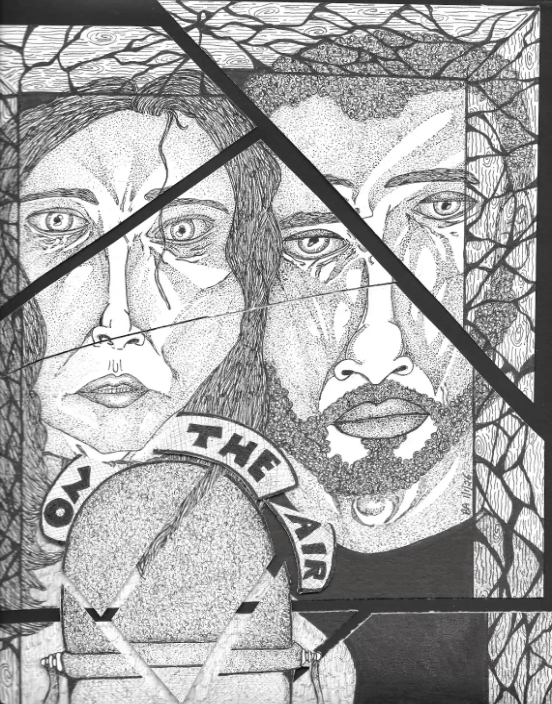
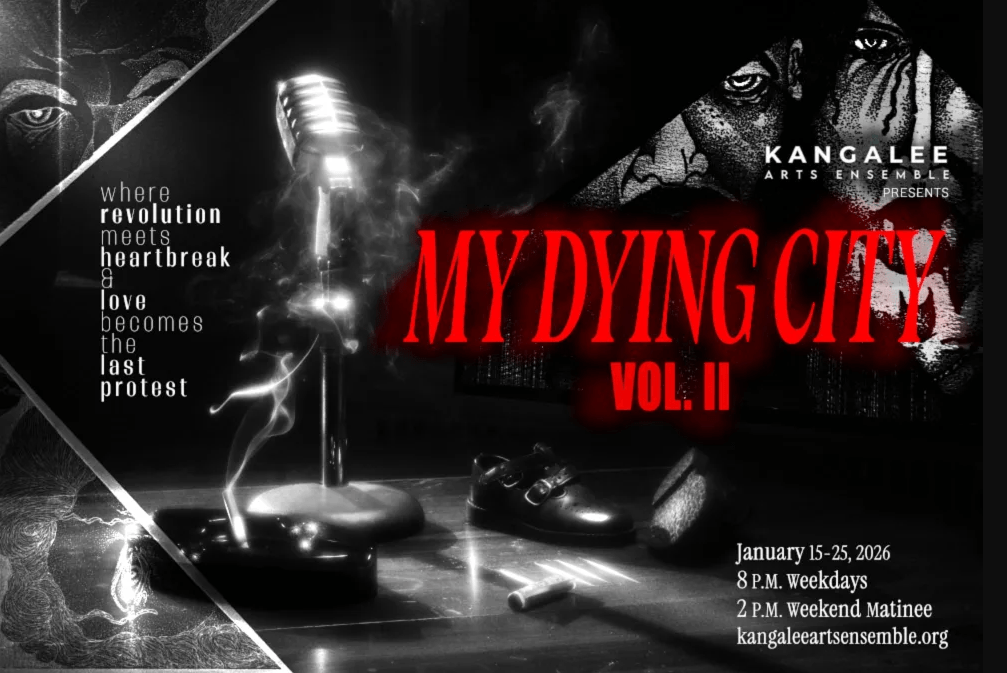
The Kangalee Arts Ensemble will open the world premiere of MY DYING CITY VOL. II (The Social Justice Suicide Hour), written and directed by radical dramatist Dennis Leroy Kangalee. Running from January 15 through January 25, 2026, this provocative chamber drama arrives at a moment of profound global and domestic tension.
The Story: Personal Loss vs. Political Hope
The play centers on a couple of veteran Left-wing activists, former hosts of a radical radio talk show, who find themselves in the wreckage of their son’s suicide. As they process their personal tragedy, the play acts as a magnifying glass for the “fading hope” of social revolution in a polarized world.
Developed through a fellowship at The Action Lab and supported by the Venturous Theater Fund, the production is a unique hybrid: part psychological realism, part political “agitprop” (agitation-propaganda), designed to shake the audience out of complacency.
Spotlight: Ward Nixon as “Barry”
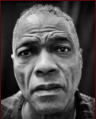
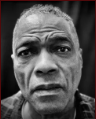
At the center of this emotional storm is Ward Nixon, a veteran actor, director, and teacher who takes on the role of Barry. For Nixon, the play is more than just a script; it is a vital communication tool for a world in crisis.
A Dream Project for the Modern Actor
Nixon describes the work as “an actor’s dream project,” citing its “organic passion” and its terrifying relevance to the current state of New York City and the world.
“This play is so timely and profound,” Nixon says. “Positive change and equality for all has to occur much sooner than later. Immediately, to be more precise.”
The Creative Process: Building a Life
To inhabit a character as complex as Barry—a man mourning both a child and a movement—Nixon employs a rigorous, investigative approach:
- Deep Reading: Analyzing the text slowly to visualize time, place, and circumstance.
- Character Architecture: Constructing detailed backstories that exist outside the lines of the script.
- Subtextual Excavation: Investigating the “why” behind every word to find the hidden layers of the playwright’s dialogue.
The Artist as Communicator
Nixon views his role in My Dying City as a form of social service. Inspired by the diversity and creative stimulation of NYC, he believes that true art possesses the unconditional ability to educate, enlighten, and heal.
“I hope the audience will be encouraged to take action,” Nixon explains. “Positive change is possible, despite the rockiness of the road… but diligence, focus, and faith are paramount.”
Why It Matters Now
In an era where “lethal flaws” in the current administration and world events feel inescapable, My Dying City Vol. II offers a space for the “outsider” to see their struggles reflected. It asks a haunting question: When the revolution fails and personal tragedy strikes, what is left to hold onto?
Through Nixon’s performance and Kangalee’s direction, the play promises to be a “line in the sand”—a reminder that even in a “dying city,” the act of protest, through art, remains a vital sign of life.
 Showtones