
article by Jake Mendel
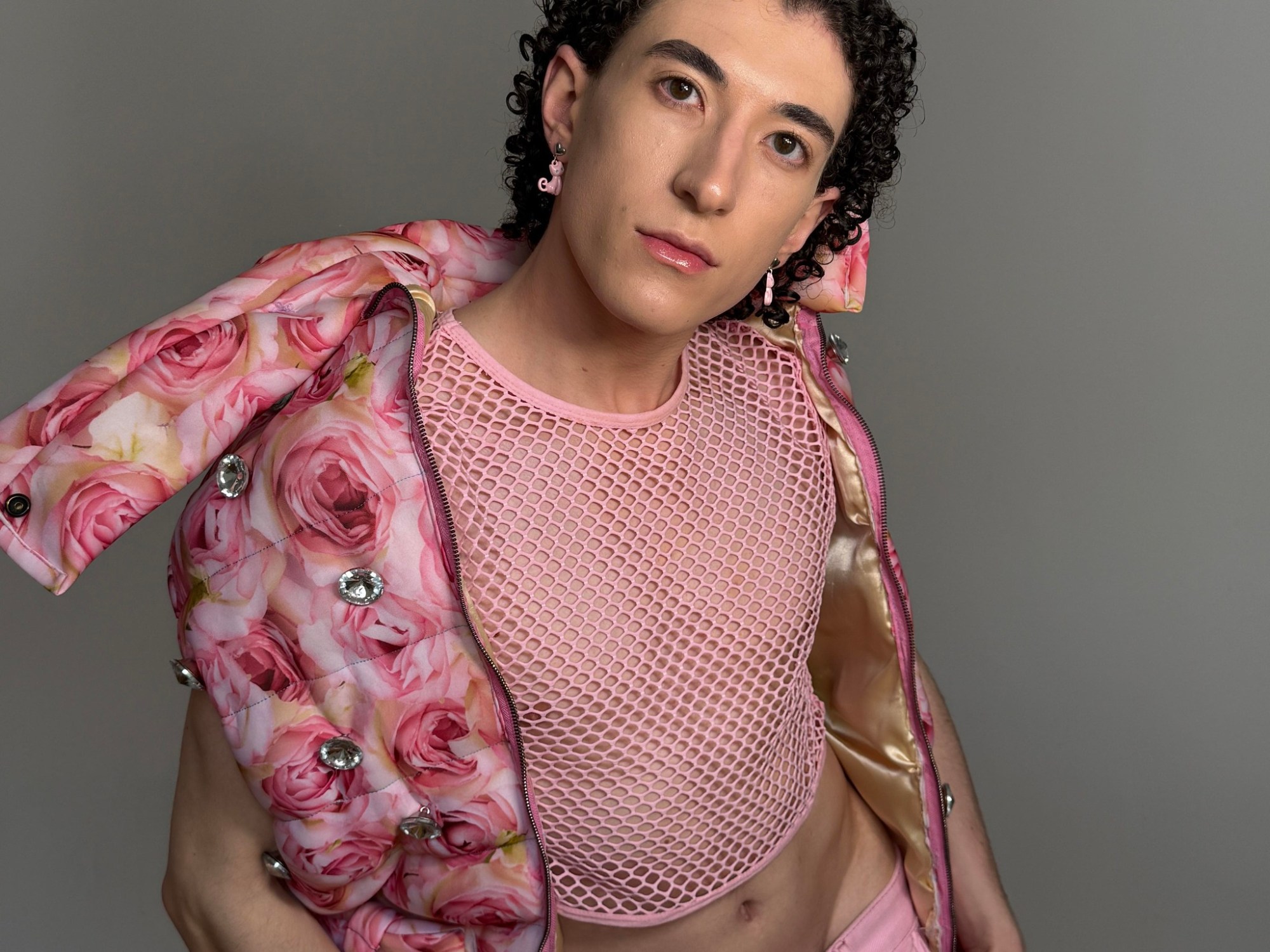
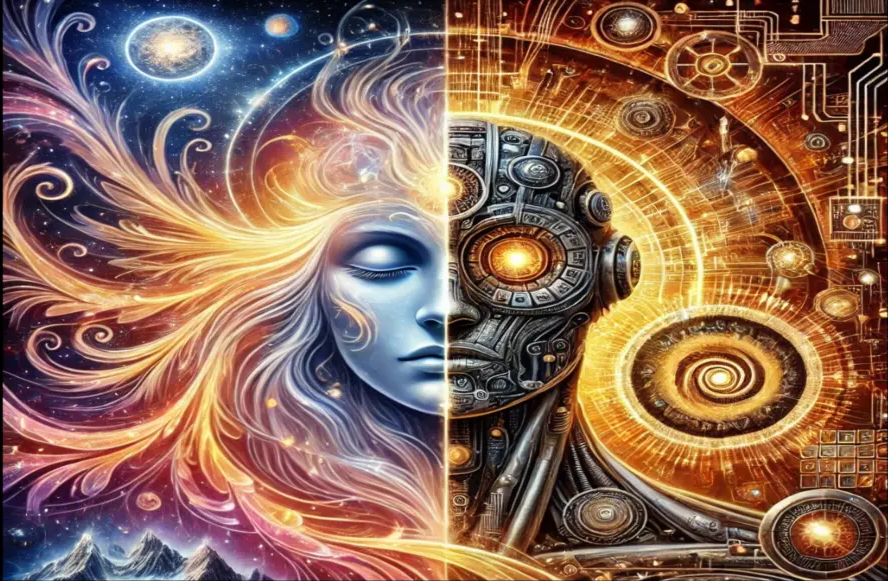
In the heart of New York City, an innovative and thought-provoking dance production, “AI Vs. Humanity: The Experience,” is set to captivate audiences. Presented by Ripple Effect Artists, Inc. (REA), a socially conscious theatre company, this immersive spectacle aims to ignite crucial conversations about the rapidly evolving relationship between artificial intelligence and human existence. Running from June 11-15 with both evening and matinee performances, the show features a compelling cast, including the insightful performer Andrew Fitzpatrick.

Andrew Fitzpatrick, a performer in “AI Vs. Humanity: The Experience,” offers a unique and deeply personal perspective on the production’s central themes. His experiences, both as a dancer and as a cast member in a show exploring the dichotomy between human and machine, provide compelling insights into the evolving role of AI in our lives.
AI: A Tool to Leverage, Not a Force to Replace
Fitzpatrick’s view on AI is nuanced, steering clear of an all-or-nothing stance. He believes that “AI, as with every new piece of technology, has the power to make everyday life more efficient,” citing examples like improved search engines, language translations, and personalized music recommendations. However, he is acutely aware of its darker potential. Fitzpatrick points to the concerning capabilities of AI to mimic voices, create fake videos of faces, and generate false news articles, exacerbating the problem of misinformation online.
His conclusion is clear: AI’s true nature lies “somewhere in between” welcome and fear. He advocates for AI when it acts as a “tool in conjunction with yourself,” enhancing human capabilities. Conversely, he urges caution and even fear when AI is “used to replicate and replace humans.” This balanced yet firm perspective frames his performance within “AI Vs. Humanity,” where the lines between human and machine are deliberately blurred and questioned.
Dance: A Uniquely Human Language
The decision to make “AI Vs. Humanity” a dance production is, for Fitzpatrick, profoundly significant. He emphasizes that “AI is still struggling to replicate what dance is.” Dance, he explains, is an “innate” form of non-verbal expression intrinsic to human experience. “Since we are born we move, we dance, we convey our emotions through movement,” he observes. This innate capacity for emotional expression through physical form is something AI, devoid of feelings and emotions, simply cannot replicate.
The production’s structure, featuring both human and “robot” dancers, powerfully highlights this distinction. Fitzpatrick notes that the show “really shows the dichotomy between a human dancing and a robot executing programmed instructions,” underscoring the unique artistry and emotional depth that human dancers bring to the stage.
Finding the Robot Within: A Performer’s Approach
Fitzpatrick’s approach to embodying a “robot” role in the production is deeply rooted in his personal history as a dancer. Having grown up in a “Euro-Centric dance world” where adherence to specific steps and methods was paramount, he felt himself “almost become a robot, made to execute specific commands given by a human.” This upbringing provides him with a unique and profound understanding of the experience of being programmed and controlled, making him feel “very grounded in the role of being a robot” for the show. This lived experience allows him to bring a nuanced authenticity to the portrayal of a machine.
The Priceless Gift of Human Consciousness
Exploring the themes of “AI Vs. Humanity” has led Fitzpatrick to a profound appreciation for the unique attributes of human consciousness. He reflects on “what a gift it is to be able to see, react, and respond to everything around me.” Unlike robots, which only process what they are explicitly told to see and respond to, humans possess the invaluable ability to apply context from past experiences, interpret subtle cues, and exercise free will. “When someone tells them a joke they cannot laugh unless they are told they can laugh, and even then it is for a specified amount of time,” he notes, highlighting the stark contrast with genuine human spontaneity. For Fitzpatrick, the capacity for free will, understanding the ‘why’ behind actions, and unprompted emotional response is a “gift” that AI cannot replicate.
Onward to Broadway: A Future of Human Expression
Beyond “AI Vs. Humanity,” Andrew Fitzpatrick is actively pursuing his diverse artistic passions. He is a part of the vibrant Ballroom Scene, where he performs under the name “Wander” in European Runway and Face categories. His long-term aspirations include a career on Broadway, demonstrating his commitment to the collaborative and expressive world of musical theater. Fitzpatrick’s journey underscores the enduring power of human artistry and the pursuit of dreams, providing a powerful counterpoint to the technological advancements explored in “AI Vs. Humanity.”
Through his insightful performance and reflective commentary, Andrew Fitzpatrick invites audiences to consider the profound implications of AI, urging them to embrace its beneficial aspects while fiercely safeguarding the unique and invaluable essence of human creativity, emotion, and free will.
AI Vs. Humanity: The Experience will run for a limited engagement:
Dates: June 11 – 15
Showtimes:
- June 11, 12, 13, 14 @ 7:00 p.m.
- Matinee: June 14 @ 2:00 p.m.
- June 15 @ 3:00 p.m.
Tickets are available now at: https://www.onthestage.tickets/show/ripple-effect-artists/67c0d3d6ce602e5ee735b1b7/tickets#/productions-view
 Showtones